
This Is What Happens When You Defund the Office for Civil Rights
School districts are losing civil rights protection as federal oversight is quietly dismantled. Here's what that means for students—and why it should worry all of us.

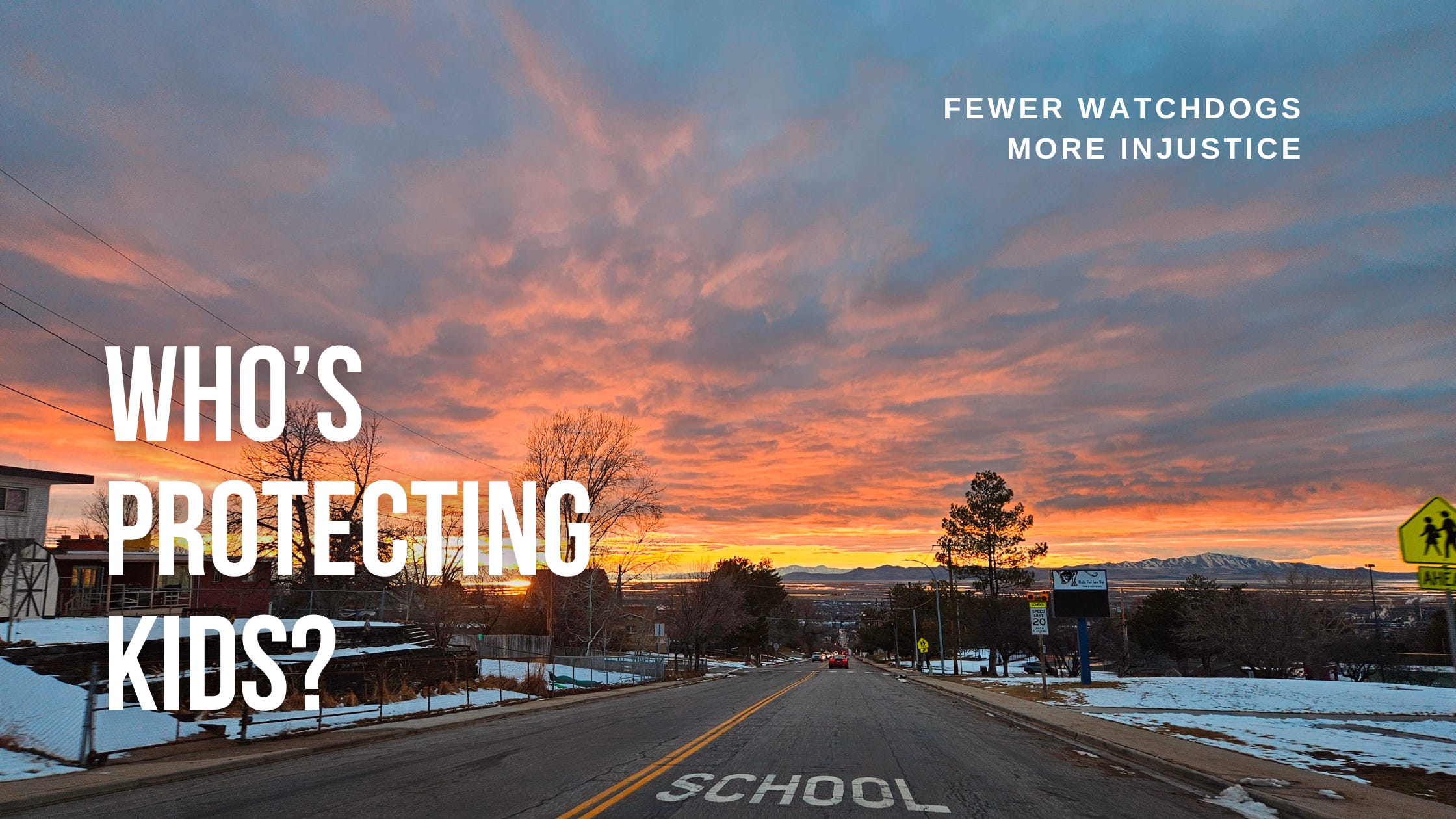
The recent actions by this Republican administration to significantly reduce the workforce of the U.S. Department of Education, particularly within the Office for Civil Rights (OCR), have raised substantial concerns about safeguarding students' civil rights in our school districts. The OCR plays a pivotal role in enforcing civil rights laws, ensuring that educational institutions do not discriminate based on race, color, national origin, sex, disability, or age.
Impact on civil rights enforcement
The administration's decision to lay off a significant portion of OCR staff, including the closure of several regional offices, has left thousands of discrimination cases in limbo. This reduction hampers the OCR's ability to investigate complaints effectively, potentially leaving students vulnerable to unchecked discrimination.
Consequences for school districts
Here’s the likely impact on school districts with the diminished capacity of the OCR:
Delayed or Dismissed Investigations: Discrimination complaints won’t be addressed promptly, or at all. This will create prolonged periods of injustice for affected students.
Reduced Compliance with Civil Rights Laws: There will be a lack of adherence to civil rights regulations, knowingly or unknowingly, when there’s a lack of oversight.
Increased Legal Vulnerability: Schools may face more lawsuits from parents and advocacy groups due to perceived or actual failures in upholding students’ civil rights. (Note: There’s a cat. Only those who can afford to pursue legal action will be able to push back. That leaves low-income families, who are often the most vulnerable to discrimination, without recourse or support.
The erosion of federal oversight doesn’t just weaken civil rights enforcement; it actively shifts the burden onto communities with the fewest resources to fight back.
Civil rights protection for the privileged?
With the burden of accountability shifted to individuals and families, only families with financial means, legal knowledge, and time can engage in that fight.
Our civil rights enforcement is becoming a pay-to-play system.
Guess which students will suffer the most? The groups that historically need the OCR the most, those from low-income, disabled, immigrant, or racially marginalized communities, without access to robust federal investigation and intervention, will be left to fend for themselves in systems that already disadvantage them.
Instead of ensuring justice for the vulnerable, this new system rewards those who can afford to lawyer up.
We don’t get equity when only the well-resourced can challenge discrimination. We get silence, avoidance, and erasure.
Broader educational implications
Beyond civil rights enforcement, the broader cuts to the ED threaten various programs that support low-income and marginalized students. The potential dismantling of the department could lead to the loss of essential services, such as special education support and student loan assistance, further exacerbating educational inequities.
So… who’s watching the watchdogs now?
Here’s the thing: if we want school to be more than just a pipeline to frustration and burnout (for both students and parents), we’ve got to care about who’s enforcing the rules. Spoiler: when the Office for Civil Rights is gutted, the answer is—basically no one.
As someone who has spent a decent portion of her life organizing game schedules, responding to school emails, and writing about systems that are supposed to help people, not fail them, this hits close. I don’t have time for performative outrage. But I do have time to notice when the most vulnerable kids are being left behind because the people in power want fewer paper trails and more plausible deniability.
So yes, it’s up to us. Educators, parents, team managers, tired but highly caffeinated community members—we’re the accountability now.
Talk to your school board. Know what protections your district has (or no longer has). Keep asking uncomfortable questions. Because if we don’t, who will?
And hey—if we need to build our own drawer full of rubber bands and legal documents… well, we’ve done more challenging things.