
Faith, Humanism, and the Stories We Tell Ourselves
The Ethical Technologist series: Faith, Power, and Political Myth, Post 1

You may be a person of faith or a person of no faith, but which moral atmosphere do you want to live in? The cultural atmosphere you immerse yourself in will slowly form who you are.
David Brooks, NYT, How to Survive the Trump Years wtih Your Spirit Intact (May 1, 2025)
🕯️I read David Brooks’ latest piece in the New York Times this week. I strained my neck from nodding so much. Then I strained my eyes with some side-eyeing. If I were reading it in print, I would have run out of ink in my pen from underlining.
I’ve revisited it several times, on my phone and desktop, soaking up his words about the Pagan President.
One glaring question it left me with: Okay, but is this what we’re calling paganism now?
Brooks describes the rise of Trump-aligned political fervor as a kind of neo-paganism—a culture of strength, spectacle, and domination rather than humility, mercy, or covenant.
“The pagan values of ancient Rome celebrated power, manliness, conquest, ego, fame, competitiveness and prowess, and it is those values that have always been at the core of Trump’s being — from his real estate grandiosity to his love of pro wrestling to his king-of-the-jungle version of American greatness.”
Brooks suggests that whether we’re people of faith, humanists, or somewhere in between, we’re all choosing a moral atmosphere to breathe. It’s the same “cultural atmosphere” he warns about that quietly shapes who we become over time.
And it’s why I wanted to start this series here: at the intersection of faith, humanism, and the stories we tell ourselves.
This is post one of five. I want to explore how faith, myth, politics, and power shape the moral atmosphere we breathe, whether or not we notice. My focus isn’t on insider doctrine or theology but on how I see these frameworks in my life, in technology, and in the stories coded into our systems, communities, and political movements.
I want to ask what happens when:
Spectacle replaces binding agreements
Power replaces empathy
Faith fuses with politics
And what kind of moral atmosphere are we quietly inhaling along the way?

👀 Wait… what’s humanism again?
Humanism is the belief that humans matter. That human dignity, reason, agency, and ethical living are worthwhile pursuits. Humanism often rejects supernatural beliefs to focus on reason and self-realization. But there are flavors that weave in the divine: religious humanism.
Religious humanism combines human-centered ethics with ritual, meaning, community, and spirituality. Some examples include Unitarian Universalism, Reform Judaism, or progressive Quakerism. Think of someone who prays not because they’re sure someone in the heavens is listening to them, but because the act of praying shapes who they are.
Brooks writes: “There are millions of humanists — secular and religious — repulsed by what they see.”
And yet, here we are.
Brooks provides insight from theologian Dallas Willard: "There has been, over the past decades of neglect, a loss of moral knowledge.”
A profound amnesia of the good.
The decent.
The just.
We arrived at a place where 77 million Americans took a long look at Trump’s moral character and shrugged. No problem here.
This isn’t just a political issue. It’s a moral atmosphere issue.
It’s the air we’re breathing, and that air has gotten awfully thin on decency.
🏛️ What’s paganism again?
I found a good description of it wrapped up in Brooks’s mention of the pagan ethos, which “has always appealed to grandiose male narcissists because it gives them permission to grab whatever they want. This ethos encourages egotists to puff themselves up and boast in a way they find urgently satisfying; self-love is the only form of love they know.”

It’s power without mercy.
Strength without compassion.
A “callous tolerance of cruelty.”
Cruelty like anti-trans rhetoric, racist immigration enforcement with no due process, shuttering civil rights offices, and posting Trump as Pope so soon after the real Pope died.
To me, this is more than moral failure. It’s a deliberate choice for paganism.
But it turns out that this isn’t new to American history. Our national identity was always a story stitched together from myth, faith, and power.
Think “city on a hill,” and Manifest Destiny.
From the beginning, America cast itself in biblical myth: chosen people, promised land, redeemer nation.
We coded those myths into policies, laws, and even the infrastructure of who counts as “us” and who doesn’t.
And today? We’re still coding them. Algorithm by algorithm. Law by law. Tech system by tech system.
You might think algorithms are neutral, but only if you’re not very familiar with them. They’re value-laden logic encoded at scale.
And here’s the thing:
A culture addicted to domination will build tools to dominate.
A culture shaped by empathy will build tools to care.
So when Brooks asks what atmosphere we’re breathing? I have to ask: What myths are we coding into our world?
🙋♀️ Where I’m coming from
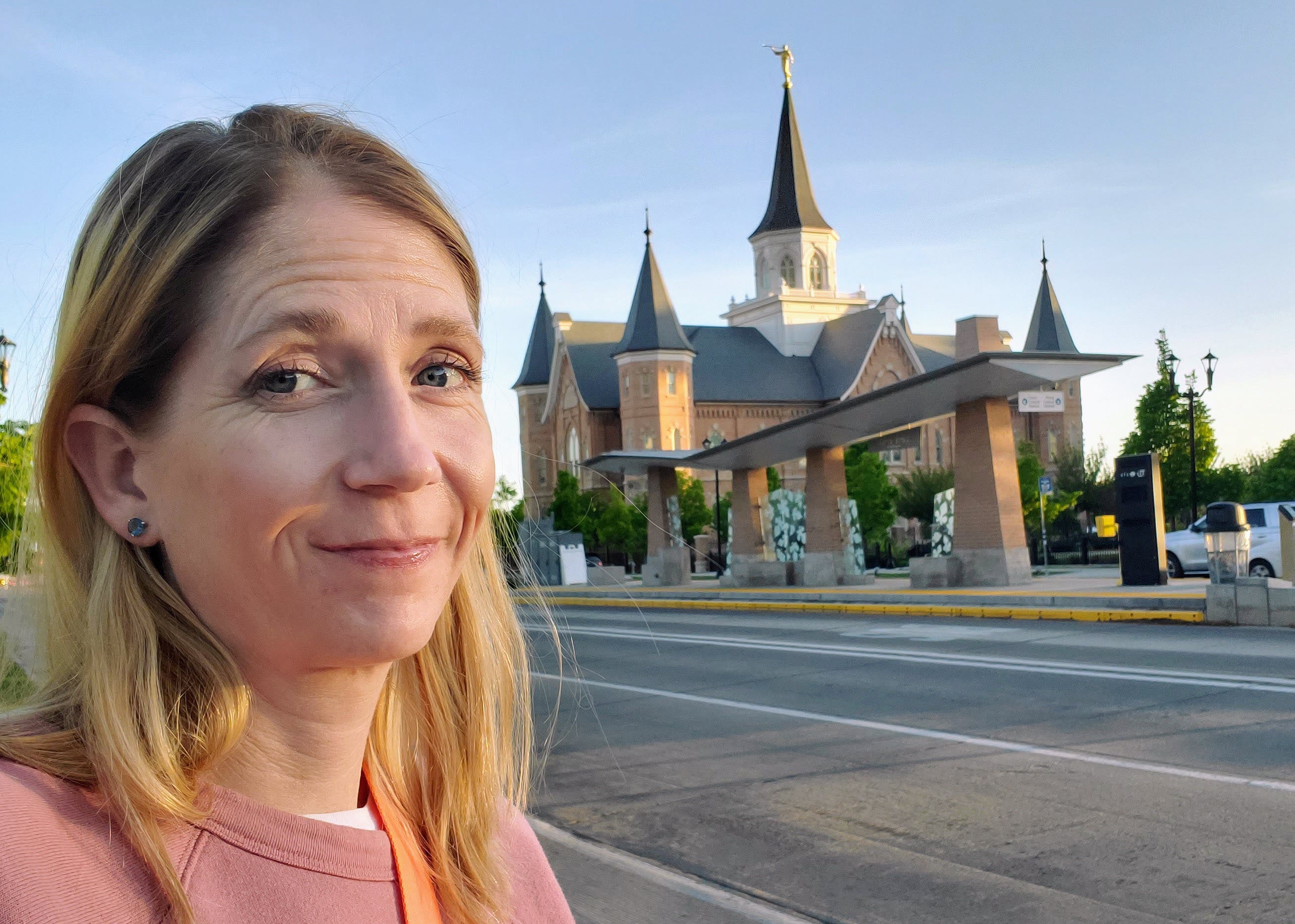
Here’s where I have to pause and confess: I’m not a humanist.
I’m a practicing member of the Church of Jesus Christ of Latter-day Saints. I believe in Heavenly Parents, Jesus Christ, and covenants that bind me to Them.
But I see echoes of humanist ethics inside my faith: compassion, agency, care for the vulnerable, and stewardship.
And as someone in tech? I see why Brooks worries. Algorithm by algorithm, headline by headline, the atmosphere is shifting.
In a world driven by spectacle and dominance, power really does feel like the only currency left.
The ancient Romans held up their symbol of power: the cross. The world Jesus was born into was one where the Jews were economically disadvantaged and their religious freedom severely limited.
Brooks pointed out how the early Christians also used the cross as their symbol, “but as a symbol for compassion, grace and self-sacrificial love.”
Everything in the Sermon on the Mount flies in the face of paganism. Jesus asked for radical generosity.
💭 A question for you
When I read that Brooks quote, this is what I kept metaphorically circling:
The cultural atmosphere you immerse yourself in will slowly form who you are.
So here’s my question for us all:
📝 Ethical Technologist Notes
Some days, working in tech could feel like being inside Brooks’s “pagan” world. Optimize every metric. Track all those Jira tickets. Report the numbers by Friday. When your quarterly review shows whether your work is impacting website visits, humility doesn’t quite fit in the job description.
And yet.
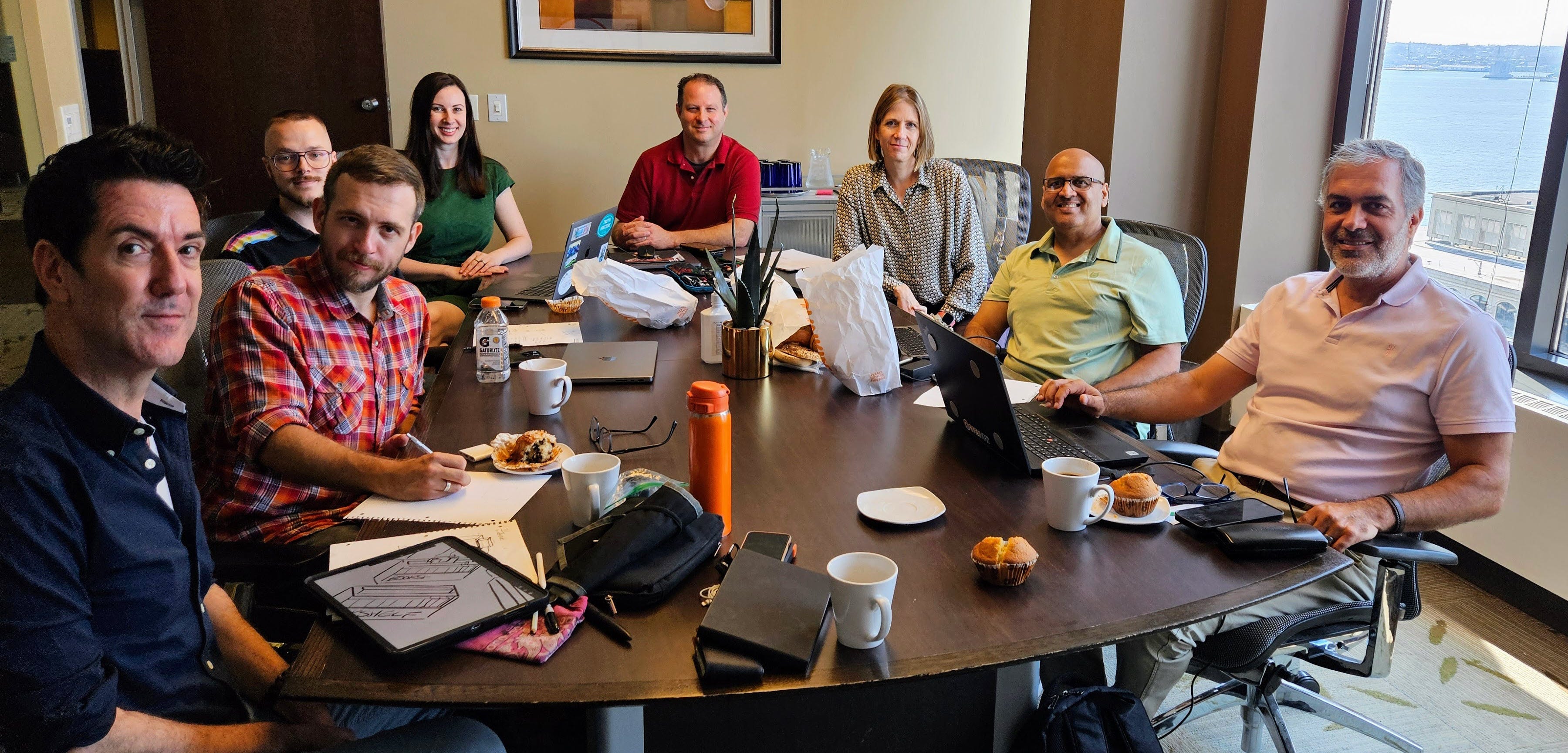
I work with people. Real people. A Filipino coworker recently passed away from cancer, far too young. Some colleagues drove hours to attend her wake; they let me send a small gas stipend via GCash—a virtual hug across continents.
Half of our company works in Ukraine. When the full-scale invasion began, we rallied donations, which our CEO matched. They continue to update us on how they’re holding up.
There’s the #random Slack channel full of memes (some translate; some don’t). There’s the internal newsletter spotlighting an employee each month. Last week, I met colleagues in San Francisco in person. Behind the algorithms, there are lives, stories, laughter, and grief.
I want to breathe a different atmosphere. Not one where domination is the highest good. I want to aim higher than paganism. Sometimes resistance is as simple as being the person who parks between the lines. Or chooses patience with a teenage soccer referee. Or stops to notice who’s feeling unseen. Maybe it’s those small acts of living as if compassion wins. I’m trying to push back against an atmosphere that says power is the only measure of worth. I can’t overthrow paganism at scale. But I can refuse it in my soul. Maybe that’s how we code better stories into the system: by coding them first into our lives.