
More Than a Network
What community means now — after 2020, after distance, and in the absence of easy belonging

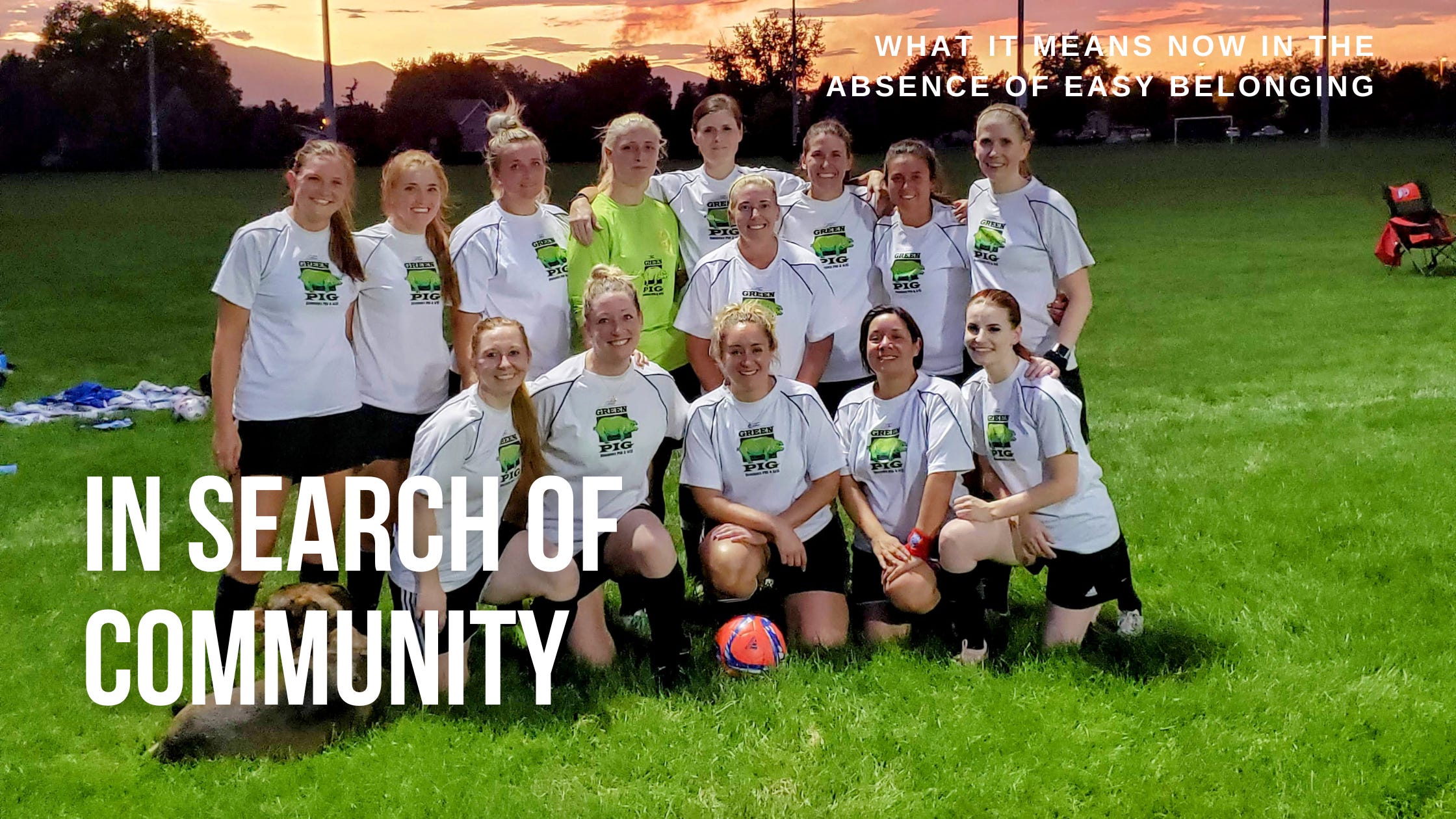
I miss community. I once had it in layers.
My Thistle women’s soccer team.
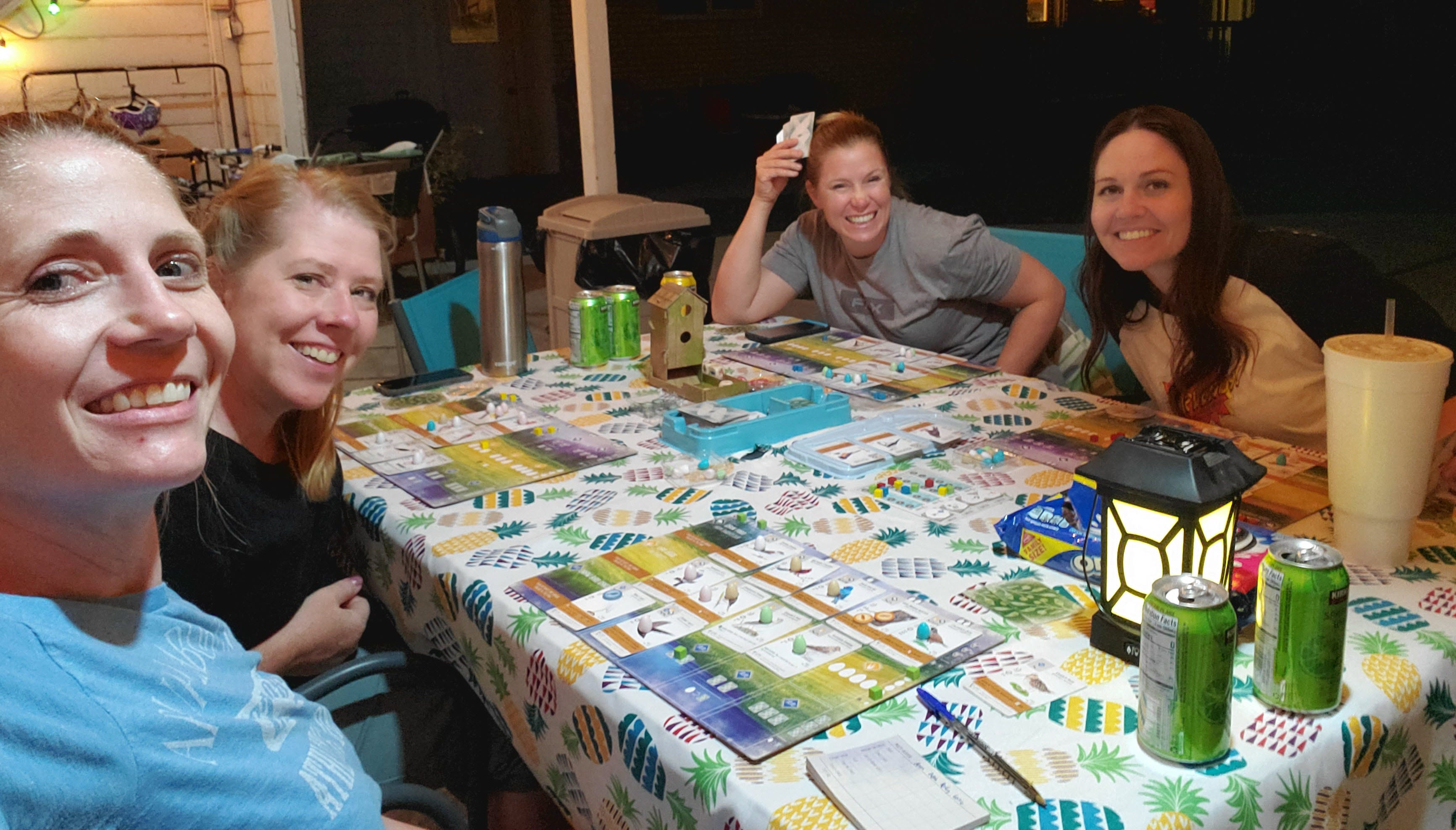
Board game on school nights with other neighborhood moms.
Monthly writing group.
Monthly book club.
A weekly church group.
My scrum development team at work.
Wild and chaotic and good. I was surrounded by people who felt like my people. I’d go from the in-sync backline of a soccer defensive line to strategizing over Sushi Go and dark chocolate. Those moments weren’t big and flashy. They were consistent, connected, and local. I was part of something.
I still have my people, in theory. My writing group exists, though we don’t meet regularly anymore. The book club fizzled with 2020 shutdowns. I retired from soccer after a long and stubborn back injury. My kids are back in sports and activities, but my circles have narrowed. That’s no one’s fault exactly, but I sure feel it. I miss the chaos and calm of community that came from just being in the same place at the same time, with people who had no agendy but connection.
So the question nags at me: Where can I find community now?
🖥 Is remote work community?
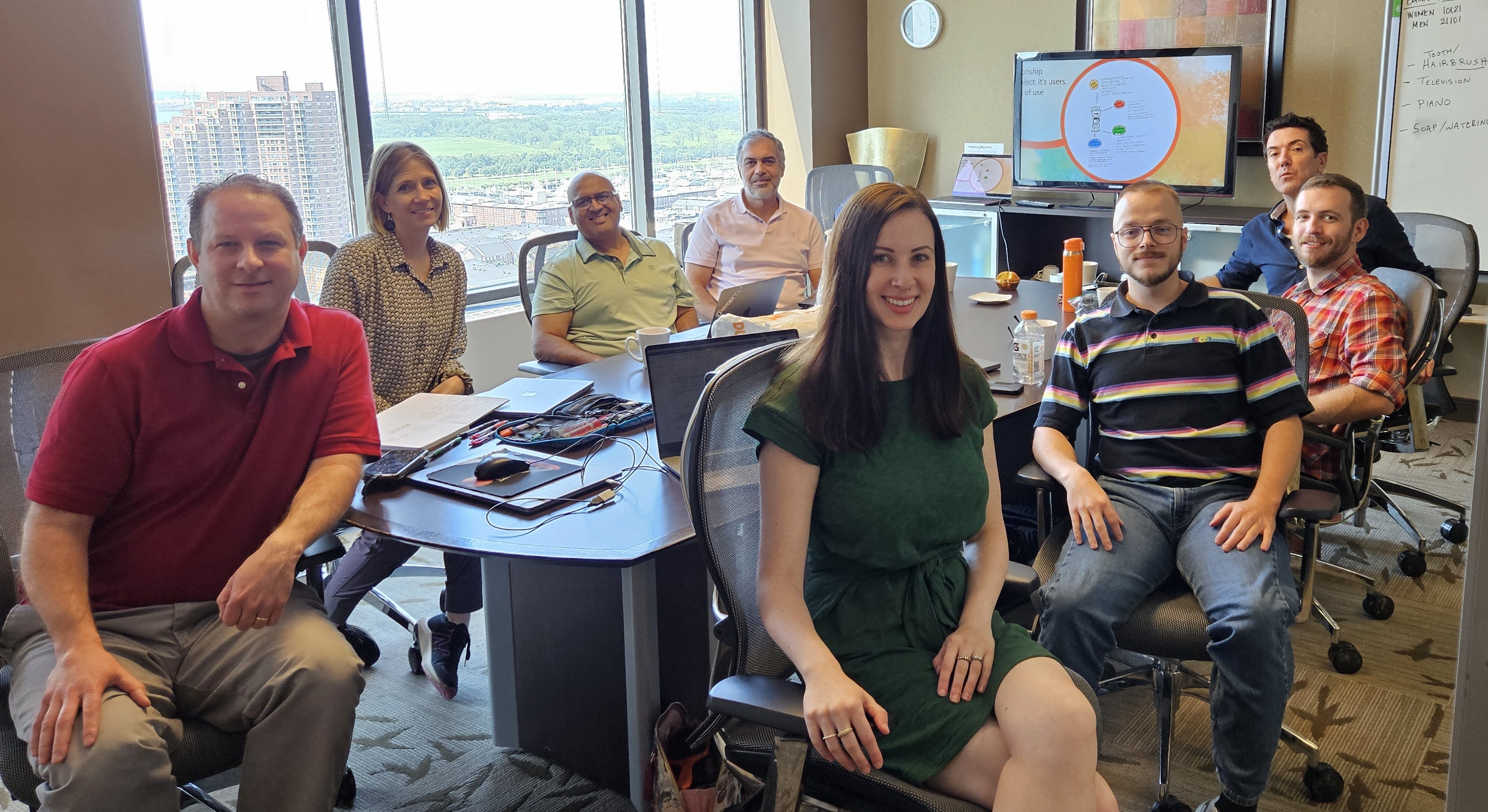
I work fully remote. I collaborate with incredibly smart, kind people. I hop into Slack huddles, accept and revise documentation based on comments left for me, I ignore emails until my inbox is a pile of unread messages and I don’t want to work on another tutorial because it’s Friday. But I don’t see my coworkers’ faces. Some of my closest collaborators live in Ukraine. I’ve never met them in person, and they haven’t been able to attend the in-person meetups that some of my European coworkers have been able to attend.
I hope we meet someday in a time zone that’s kinder to both of us.
But even with the timezone gymnastics, shared project stress, and emoji-laced jokes in a thread, I wonder: Is this community? Or is this just a well-functioning network?
I don’t say that with cynicism.
More curiosity.
I work with an excellent team. But I also know there’s a difference between working together and being deeply known. One is productivity. The other is belonging.
And there’s a comparison from when I used to work in the office, before a mothering hiatus. When I had coworkers who brought in a yoga mat for me to rest on during my pregnancy. Who had a “scrum box” for our meetings filled with thinking toys, markers, sticky notes, and snacks. Who all dressed up together for our Halloween meeting. Who walked in the mornings to the Starbucks, whether you were getting a coffee or a cocoa.
I recall from that time discussing the arc of project teams: forming, storming, norming, and performing.
🔍 What’s the difference between community and networking?
Networking is clean. It’s optimized. It’s often transactional, even when it’s friendly.
Community is messy. Community is what happens when you go from chatting on Slack to checking in about someone’s sick kid. It’s when you show up to help, not because you’re expected to, but because you belong to each other in some way. Community isn’t a contact list. It’s a set of relationships that ask something of you and offer something back that’s hard to measure.
Since 2020, many of my former communities have faded. My neighborhood feels different. My church community feels different. I’ve struggled to rebuild what I had before, and I’ve realized something important: community isn’t a given. It doesn’t come because you share geography or beliefs. It takes experiences, proximity, vulnerability, and effort.
Vulnerability is not winning or losing; it’s having the courage to show up and be seen when we have no control over the outcome. Vulnerability is not weakness; it’s our greatest measure of courage.
~Brené Brown, Rising Strong: The Reckoning. The Rumble. The Revolution.
Community needs people who choose to show up over and over again. That’s more than connection, it’s commitment.
👂 Community takes belonging
Here’s my thought for you. See if it pans out. If you agree or not:
Community doesn’t begin with ideology — it begins with belonging.
You can agree on all the talking points in the world, but if you don’t feel safe, seen, or valued, it’s not a community. It’s just a club with matching slogans. Belonging happens when people listen to each other. When they show up. When they say, “You matter here,” even if you haven’t contributed something measurable.
In contrast, so many of our social and digital spaces are built around performance, not presence. We’re rewarded for hot takes, not hospitality. We prioritize “engagement” over empathy.
But real community makes room.
It welcomes before it corrects. It views people not as avatars or accounts, but as complex, layered individuals.
Where am I still making space for that kind of belonging, for others and for myself?
Even my church community feels different since 2020. I can’t forget about people who didn’t feel like their actions were driven by love, but instead by individualism. This is a “me problem,” of course.
We don’t build community by preaching ideology. We build it by listening, by showing up, and by making space for others.
⚠️ When toxic ideologies borrow the language of belonging.
My state, Utah, was in the news. Still is. I’ll never forget watching the clip online of Charlie Kirk getting shot and killed. But this post is not about that tragic violence.
I mention Charlie Kirk here because of what he built, and what that says about the human hunger for belonging. His organization, Turning Point USA, did immense harm. His Professor Watchlist targetd people. His embrace of conspiracy culture was corrosive. He popularized rhetoric rooted in division, exclusiong, and fear.
But I can’t deny that he offered something people were missing: belonging. Purpose. A seat at a table, before the agenda was even laid out.
That should concern us. Not just what he said, but how he made people feel seen.
If toxic movements can create the feeling of belonging — of purpose and place — before discussing beliefs, then it’s not just about what people believe. It’s about how they’re made to feel. This is why we can’t afford to leave belonging in the hands of those who weaponize it.
🌱 So what does healthy community look like?
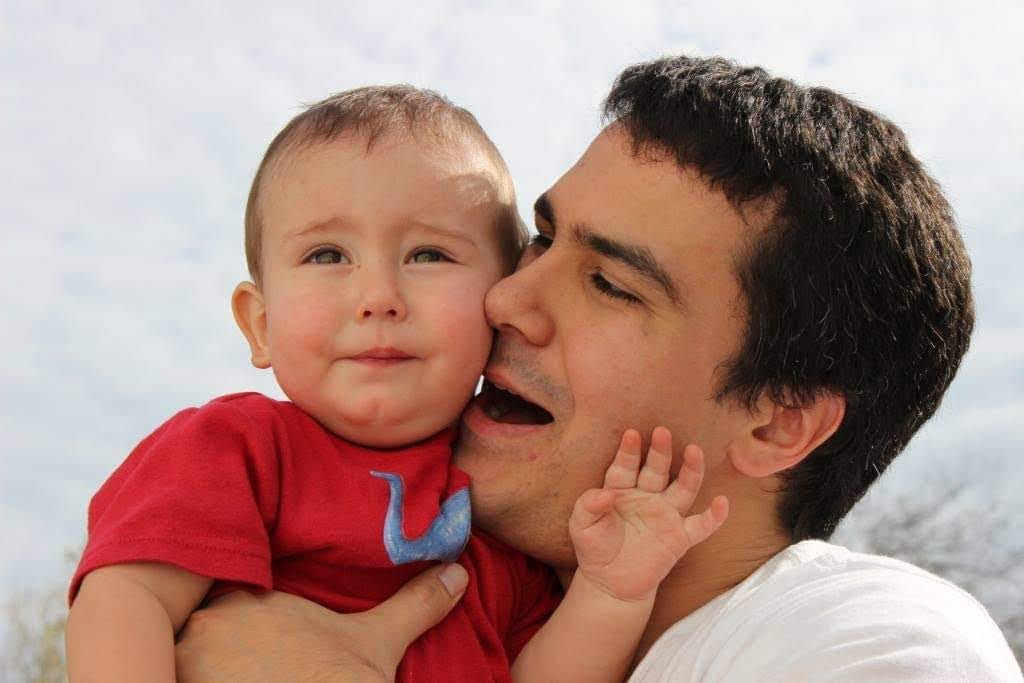
For me, healthy community looks like people showing up for each other when it’s inconvenient. I want one that raises kids, not campaigns. That values shared purpose over shared enemies. That believes our institutions are worth improving, not destroying.
That creates something tangible, not just side-by-side, but through shared responsibility.
Here’s what I believe in:
🟣 Americans are more alike than our echo chambers suggest
🟣 Our institutions deserve our trust because we are the ones who make them
🟣 Kids deserver protection, not politicization
🟣 Gender roles failed everyone — it’s time for real partnerships
🟣 Persuasion happens through proximity, not posts
🧭 Who am I in all this?
I’m a mother. A writer. A Mormon. A wife. A daughter. A friend. A sister. I’m someone who has lost and found community in pieces, and who still believes it’s worth fighting for.
I want a country where we build communities that outlast the algorithm.
Where belonging comes before branding.
Where presence matters more than performance.
What does real community look like for you—especially now?
What are you rebuilding? What have you let go of? And what seeds are you still willing to plant?
If community begins with belonging and belonging is being deeply known, then any group or organization that doesn't practice both listening and acceptance cannot provide community. You can not belong to a community that doesn't want to know you or that doesn't want to accept you once they've gotten to know you.
I've felt a profound loss of community recently from my church that I've attended my entire life. Literally telling part of my family they are no longer invited to participate as they once were is about as un-accepting as you can get. And providing no way to present my concerns on the topic to anyone with authority to make decisions is an obvious failure in the listening category.
I always struggle to disentangle all the competing variables in my life that disrupt community. Some changes are all about me: I've gotten older and changed over time, my kids are in high school and busier than ever, I keep moving and changing jobs. Some changes have nothing to do with me: pandemics, political insanity, cultural changes, etc. Did I leave the community, or did it leave me?
Communities are one-to-many relationships, as opposed to one-to-one relationships. I'd say I have two such relationships left, though neither community is very large. The first is my run club–two dozen or so of us that sweat and suffer together. The second is my family. The four of us are rarely in the same place at the same time anymore, but we listen and we accept. (Or at least we try to!) As much as I'd like to have more community, it's unclear to me where I would find the time and energy to invest in one right now.